Featured
Infradian rhythms of human heart rate reveal distinct multiday cycle periods in healthy adults
Extends RiPL's seizure-cycle work to healthy adults, showing multiday heart-rate rhythms are a normal feature of human physiology, not just a marker of disease.
Read the paper →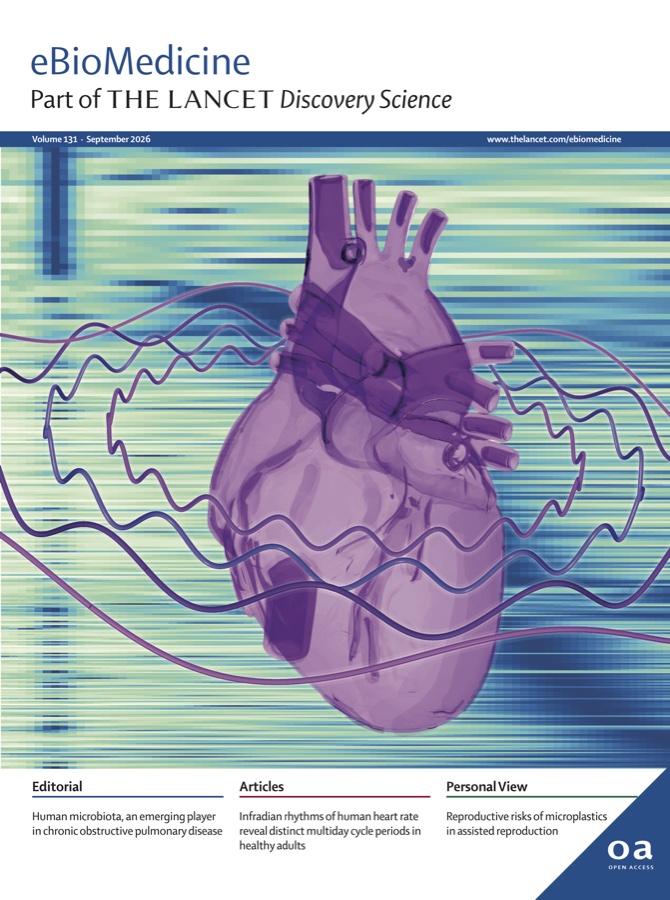 Cover Feature
Recent Papers
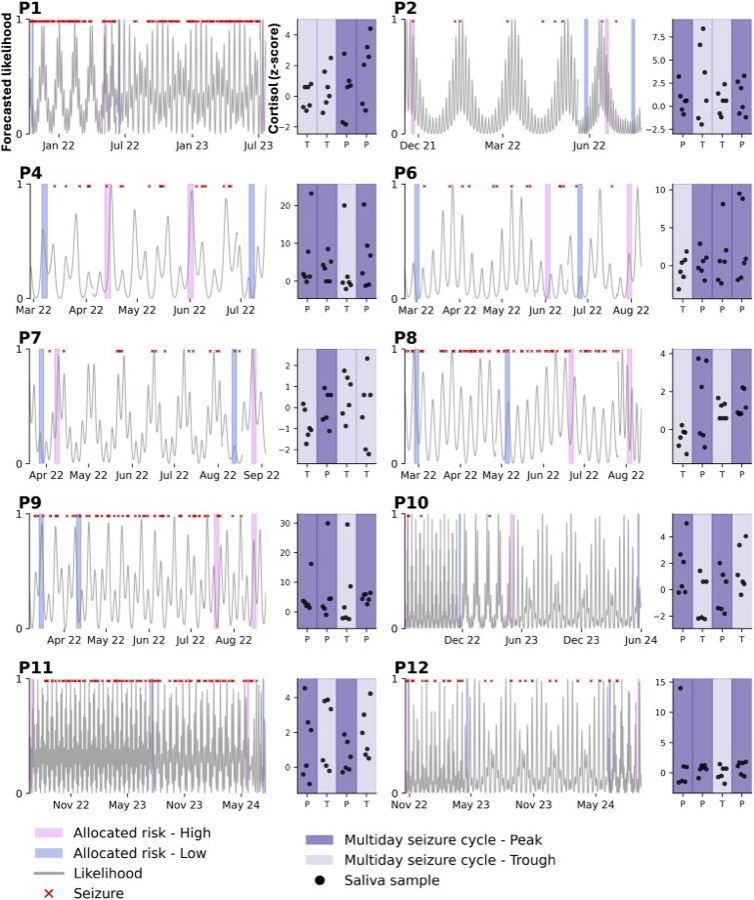
Investigation of stress hormones across multiday seizure cycles
Saliva cortisol tracked across predicted high- and low-risk periods shows hormone levels rise at the peak of a person's multiday seizure cycle.
Read the paper →
Timing is everything: expert opinion on researching epilepsy rhythms by the ILAE Task Force on Chronobiology
An ILAE Chronobiology Task Force position paper on best practice for studying rhythms in epilepsy, co-authored by RiPL.
Read the paper →
Seizure forecasting: the long and winding road to clinical translation
A review of the path from seizure-cycle research to forecasting tools that clinicians and patients can actually use.
Read the paper →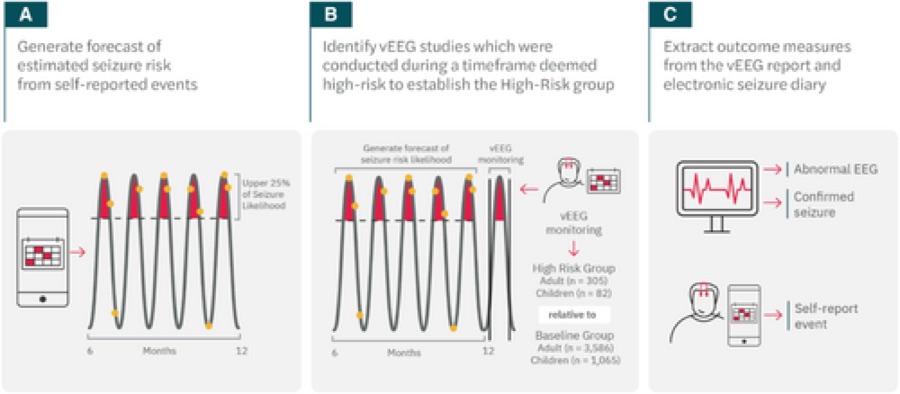
Pro-ictal EEG scheduling improves the yield of epilepsy monitoring
Validates using multiday seizure cycles to time video-EEG monitoring, catching more seizures per admission.
Read the paper →
More variable circadian rhythms in epilepsy captured by long-term heart rate recordings from wearable sensors
Long-term wearable heart-rate data shows people with epilepsy have more variable circadian rhythms than those without.
Read the paper →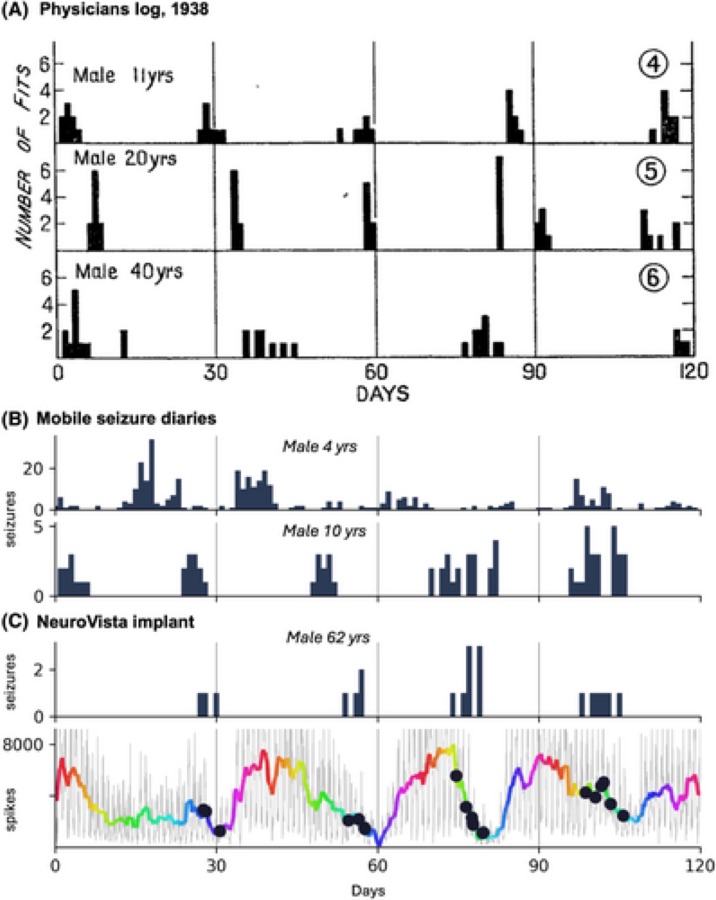
Monthly or menstrual? A scoping review of catamenial epilepsy and non-menstrual seizure rhythms
Distinguishes menstrual-linked seizure patterns from other multiday cycles that can look similar on the surface.
Read the paper →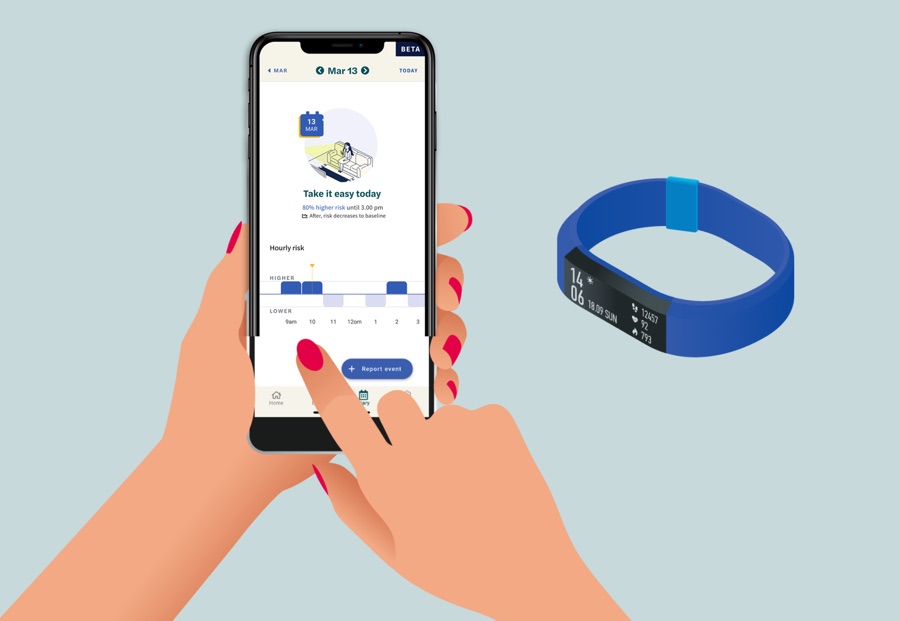
Forecasting seizure likelihood from cycles of self-reported events and heart rate: a prospective pilot study
Combining seizure and heart-rate cycles from wearables into a single forecasting algorithm improved seizure-risk prediction, validated prospectively for the first time.
Read the paper →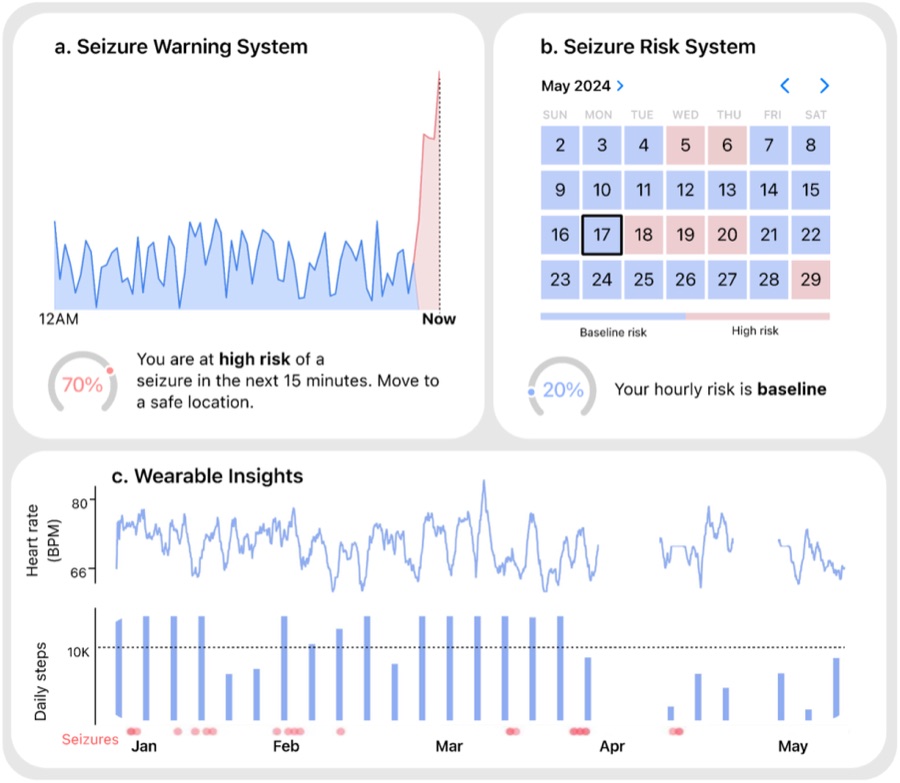
Forecasting epileptic seizures with wearable devices: a hybrid short and long horizon pseudo-prospective approach
A hybrid machine-learning and cycle-based approach using commercial smartwatches forecast seizures from minutes to 44 days ahead, cutting high-risk time by 29%.
Read the paper →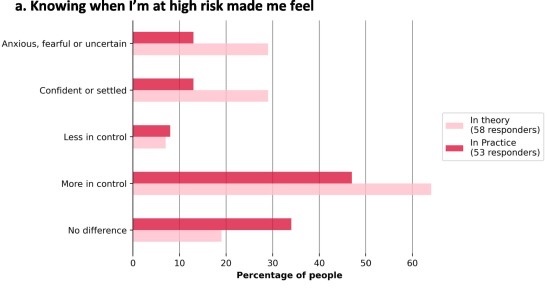
User experience of a seizure risk forecasting app: a mixed methods investigation
Surveys and interviews with app users show seizure-risk forecasting can boost feelings of control and self-knowledge, especially for those with mood-disorder symptoms.
Read the paper →Foundational Research
Interictal spikes and epileptic seizures: their relationship and underlying rhythmicity
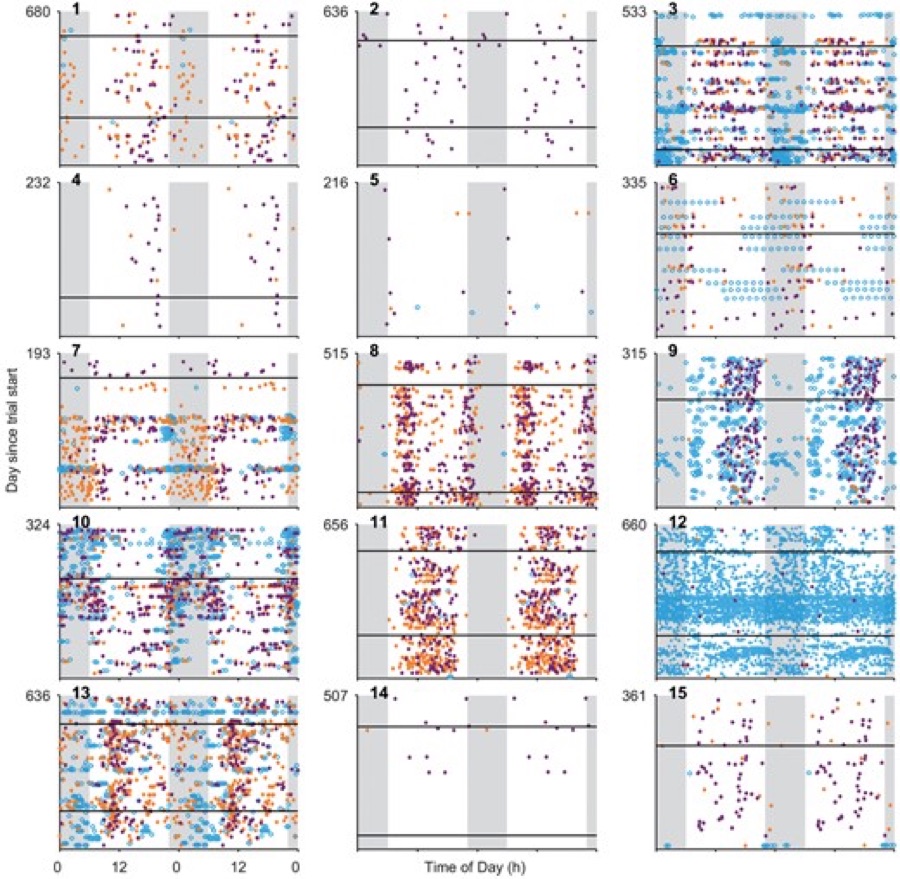
RiPL's first characterisation of circadian and longer cycles in interictal spikes and seizures from continuous EEG recordings.
Read the paper →
Circadian and circaseptan rhythms in human epilepsy: a retrospective cohort study
A retrospective cohort study showing daily and weekly seizure cycles are far more common than previously recognised.
Read the paper →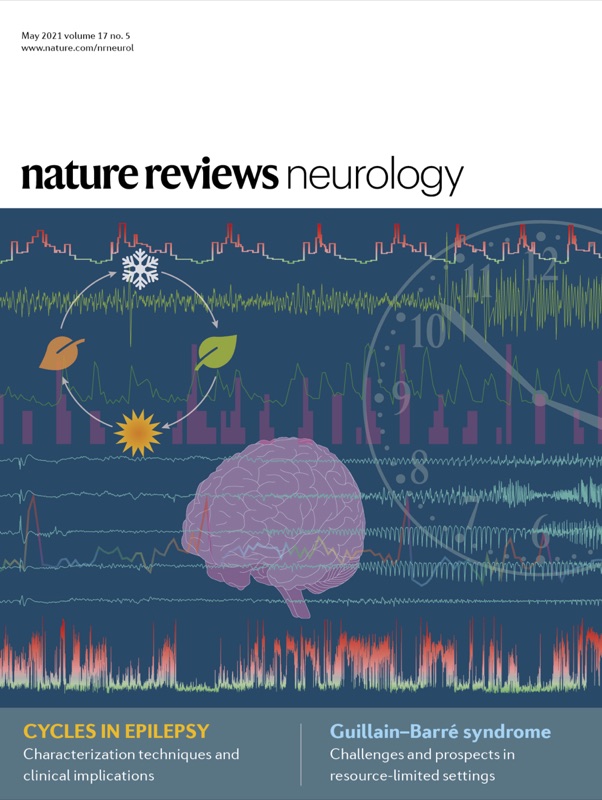 Cover Feature
Cycles in epilepsy
A review of what multiday cycles mean for understanding and forecasting epilepsy.
Read the paper →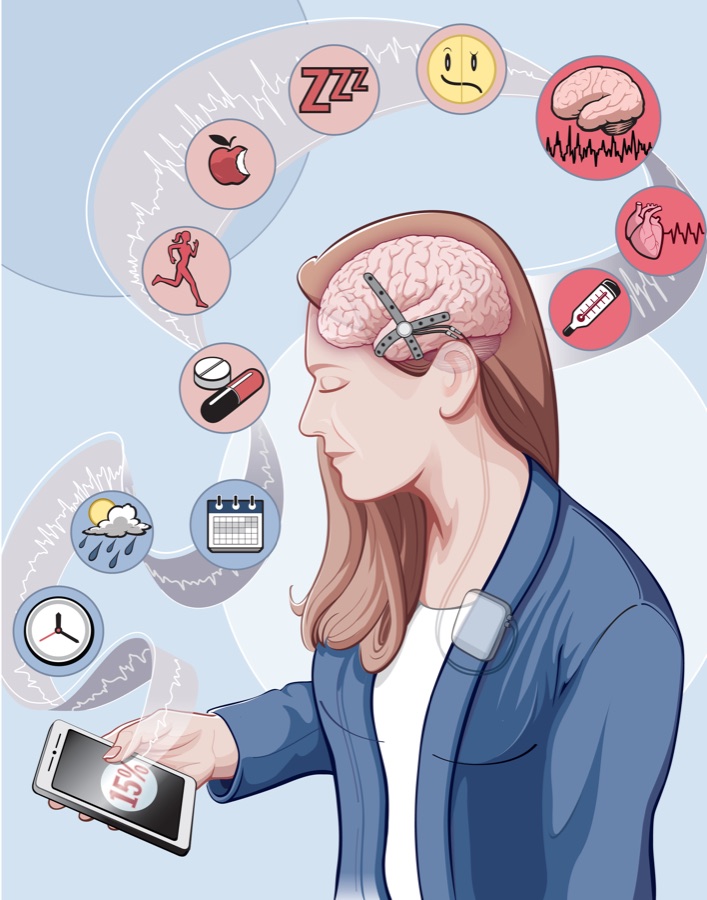
The circadian profile of epilepsy improves seizure forecasting
Shows that accounting for a person's circadian seizure pattern improves the accuracy of seizure forecasting algorithms.
Read the paper →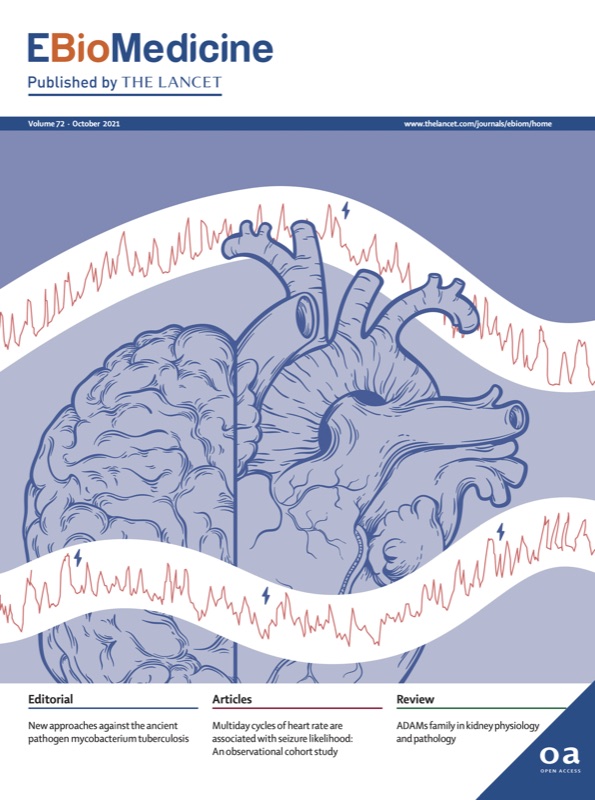 Cover Feature
Multiday cycles of heart rate are associated with seizure likelihood
Wearable heart-rate data reveals circadian, weekly and monthly cycles in nearly all participants, with seizures phase-locked to these cycles in many people with epilepsy.
Read the paper →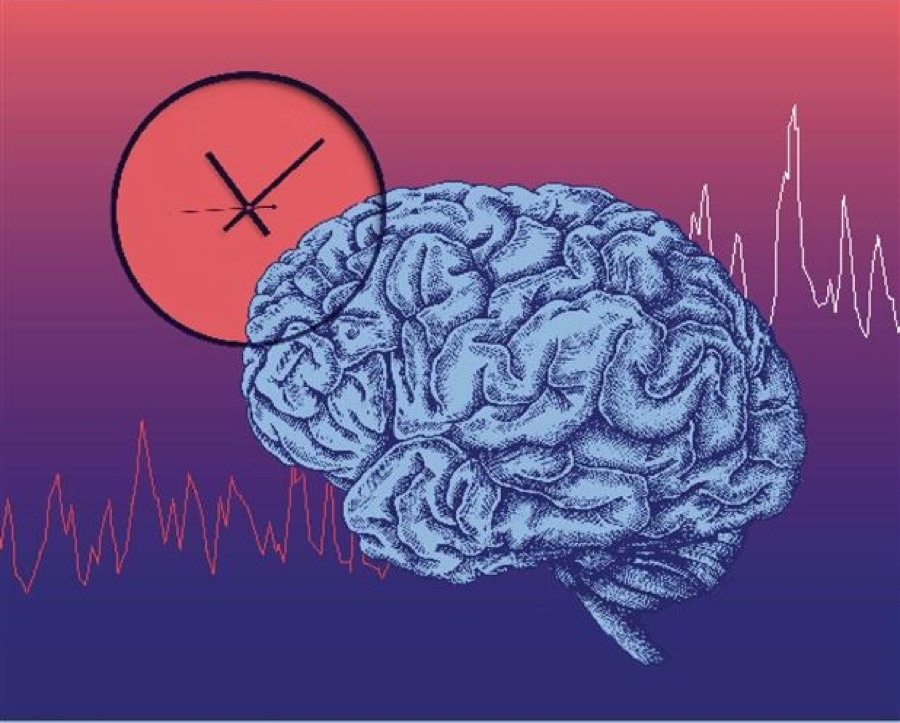
Sleep and seizure risk in epilepsy: bed and wake times are more important than sleep duration
Wearable sleep tracking shows consistent bed and wake times matter more for seizure risk than how long someone sleeps.
Read the paper →News

Heart-rate rhythms research makes headlines
RiPL's discovery of multiday heart-rate cycles in healthy adults was covered by The Conversation and the Herald Sun, bringing the research to a wider public audience.
Read the article →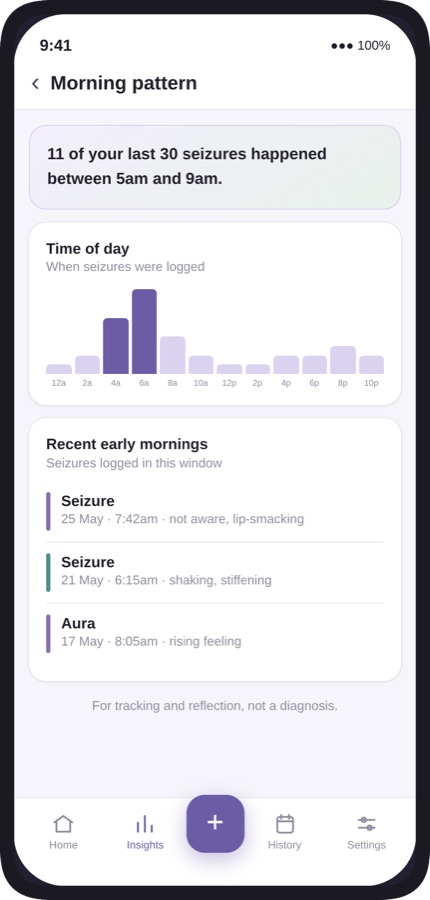
Rachel and Michaela join the 2026 MAP Accelerator
Dr Rachel Stirling and Dr Michaela Vranic-Peters are taking their startup, NeuroLog, through the 2026 MAP Accelerator program.
Visit NeuroLog →
rhythmo.me launched
A publicly accessible web app to identify, understand and forecast multiday rhythms, grown out of our discovery of multiday chronotypes.
Visit rhythmo.me →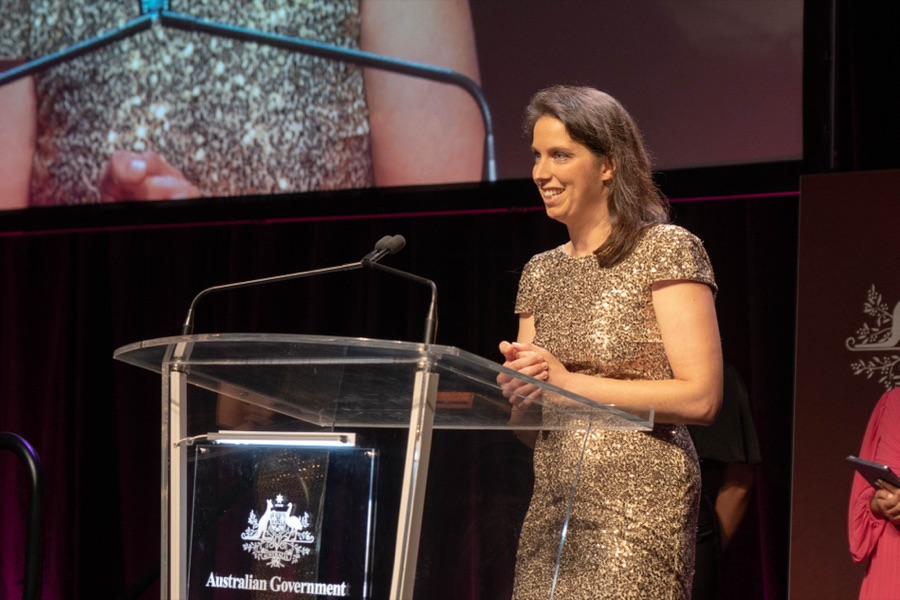
Prime Minister's Prize for New Innovators
RiPL's seizure-forecasting research was recognised with the 2022 Prime Minister's Prize for New Innovators.
Add a publication or news item: send a title, citation and link to slot in here.